
“A holder. A recipient…the earliest cultural inventions must have been a container to hold gathered products.. ” Ursula K. Le Guin, The Carrier Bag Theory of Fiction
The artists spent time walking together in an ex-mining valley in Sth Wales. Bringing their loosely held thoughts and responses, and individual interpretations of the text, to ‘Interlude’ – a presentation of works and events for Bristol Galleries Weekend.
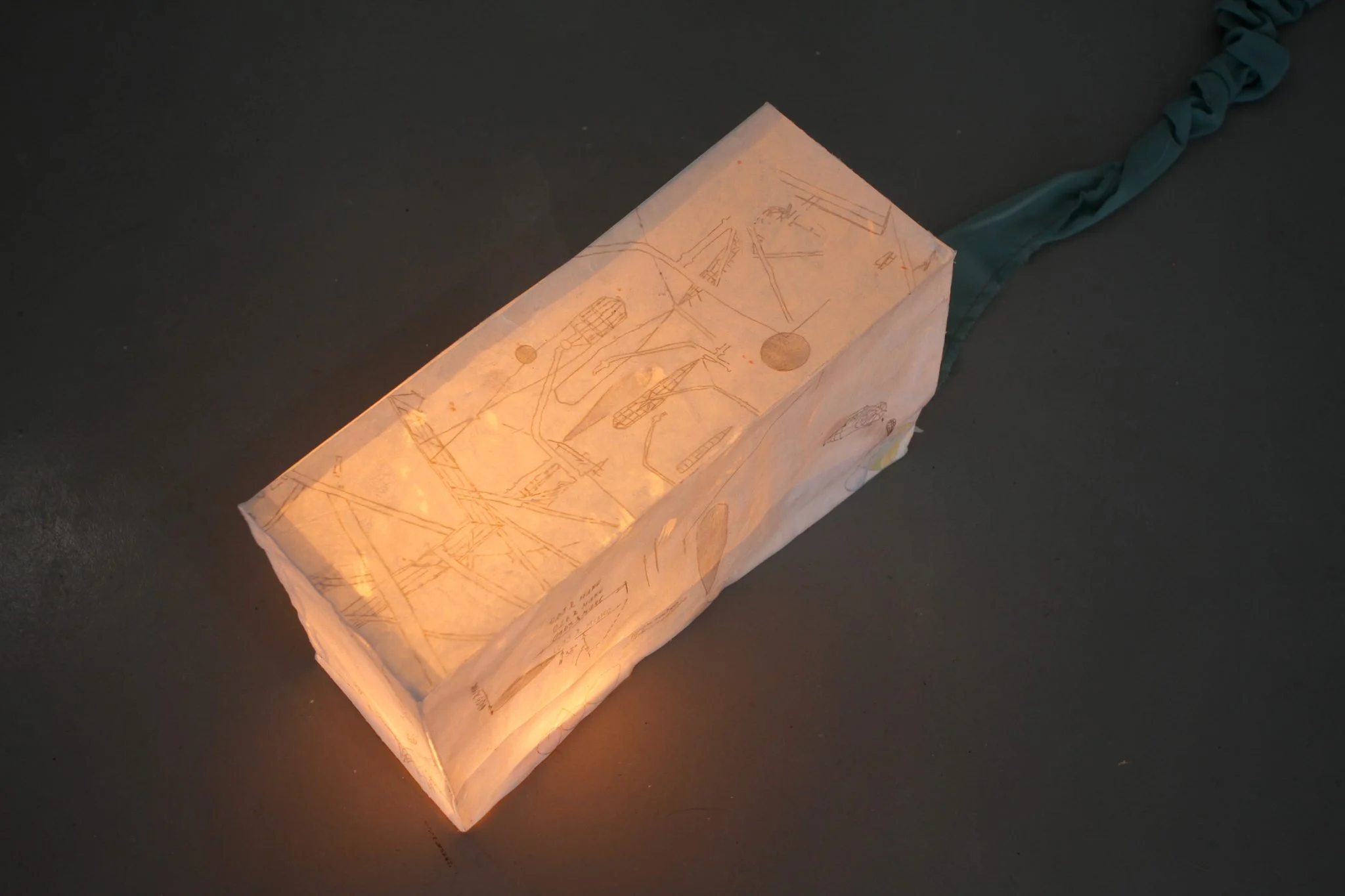
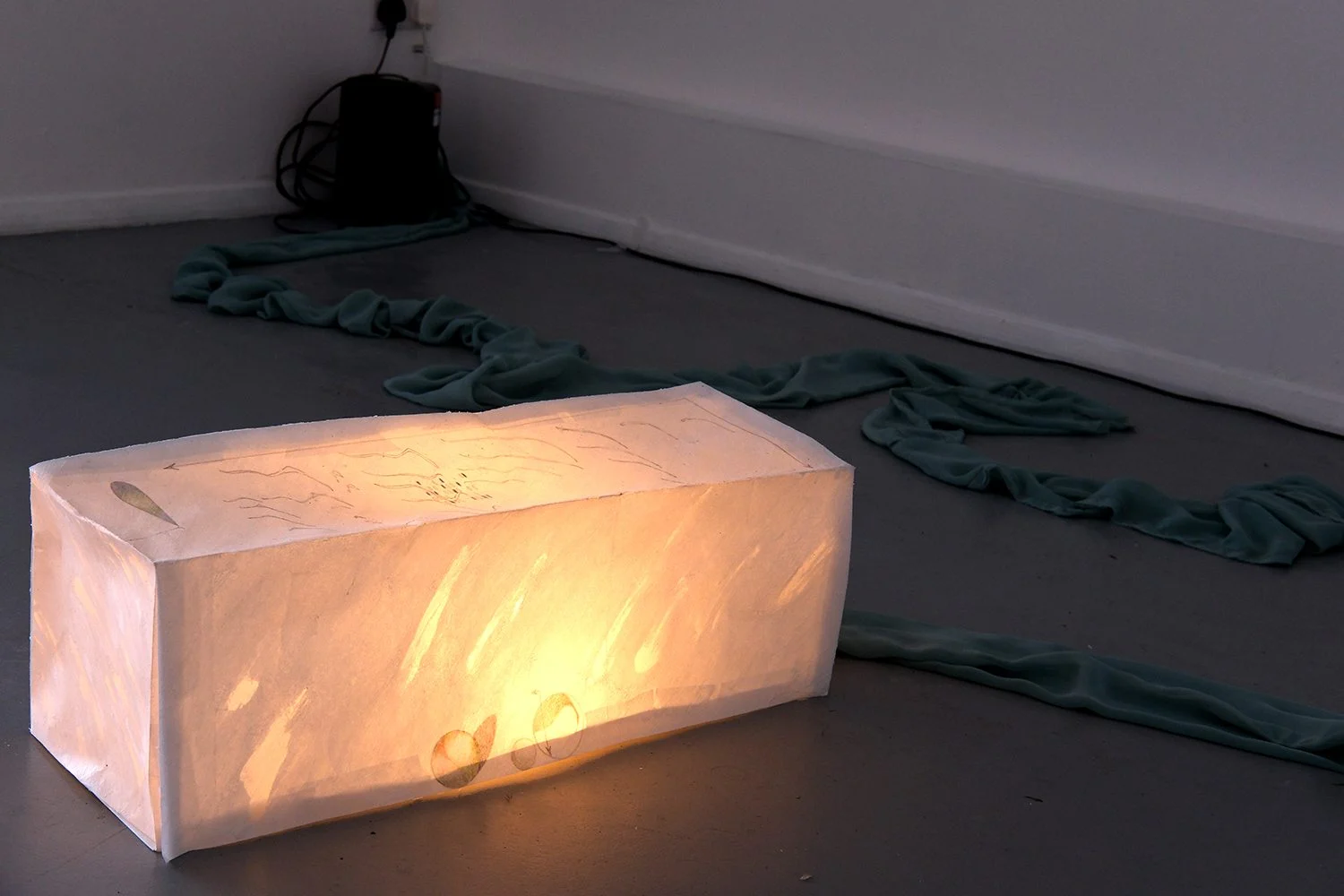
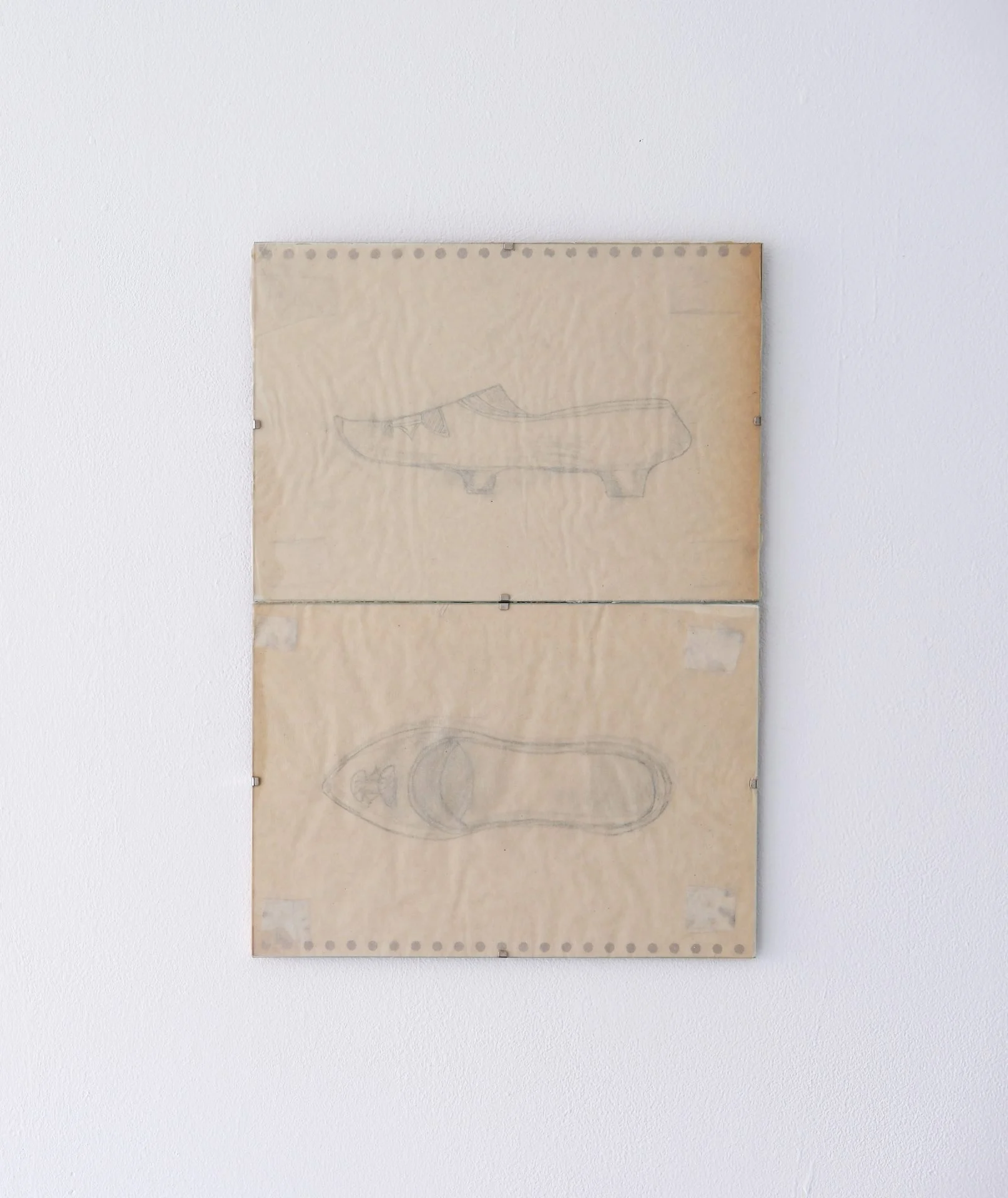
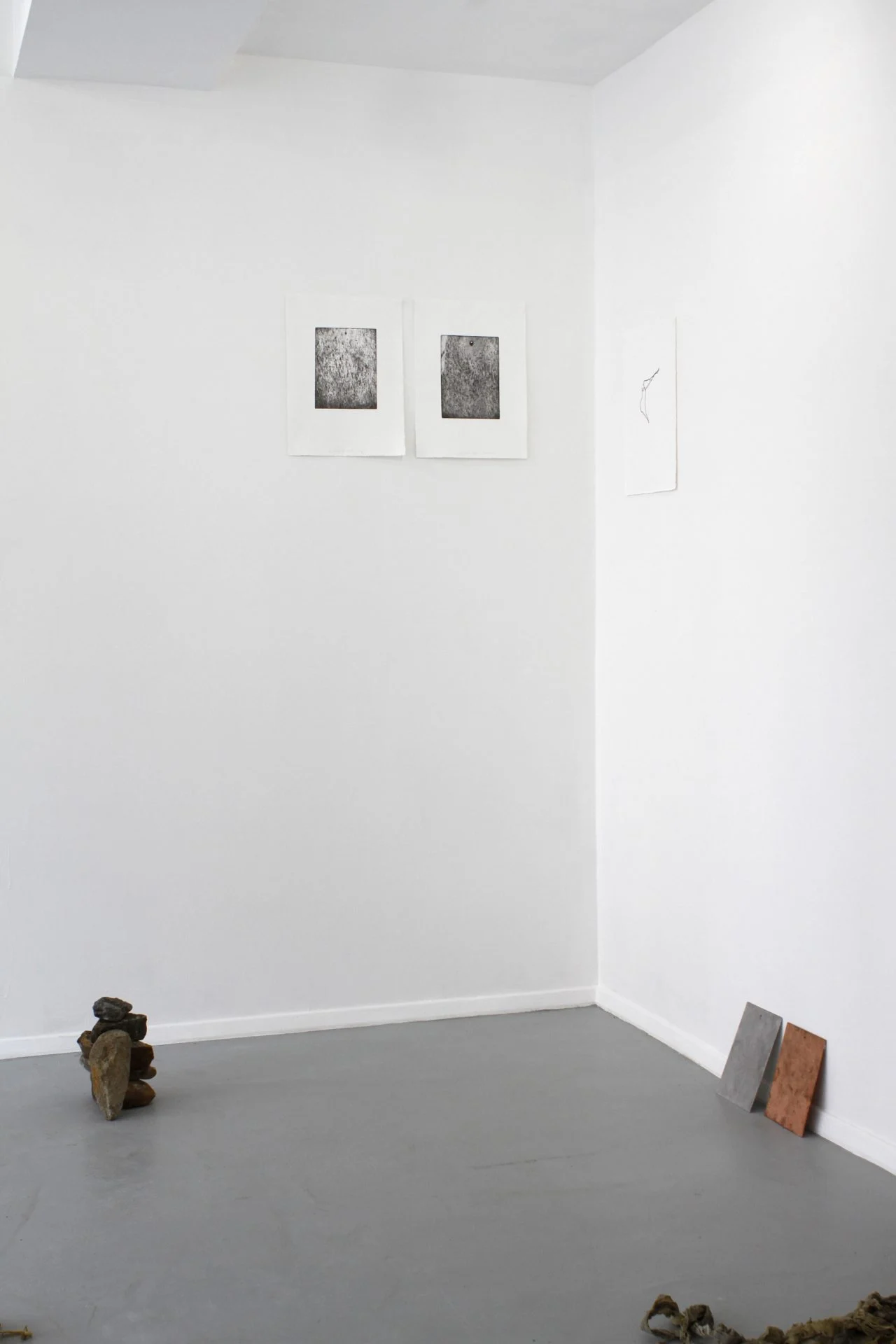
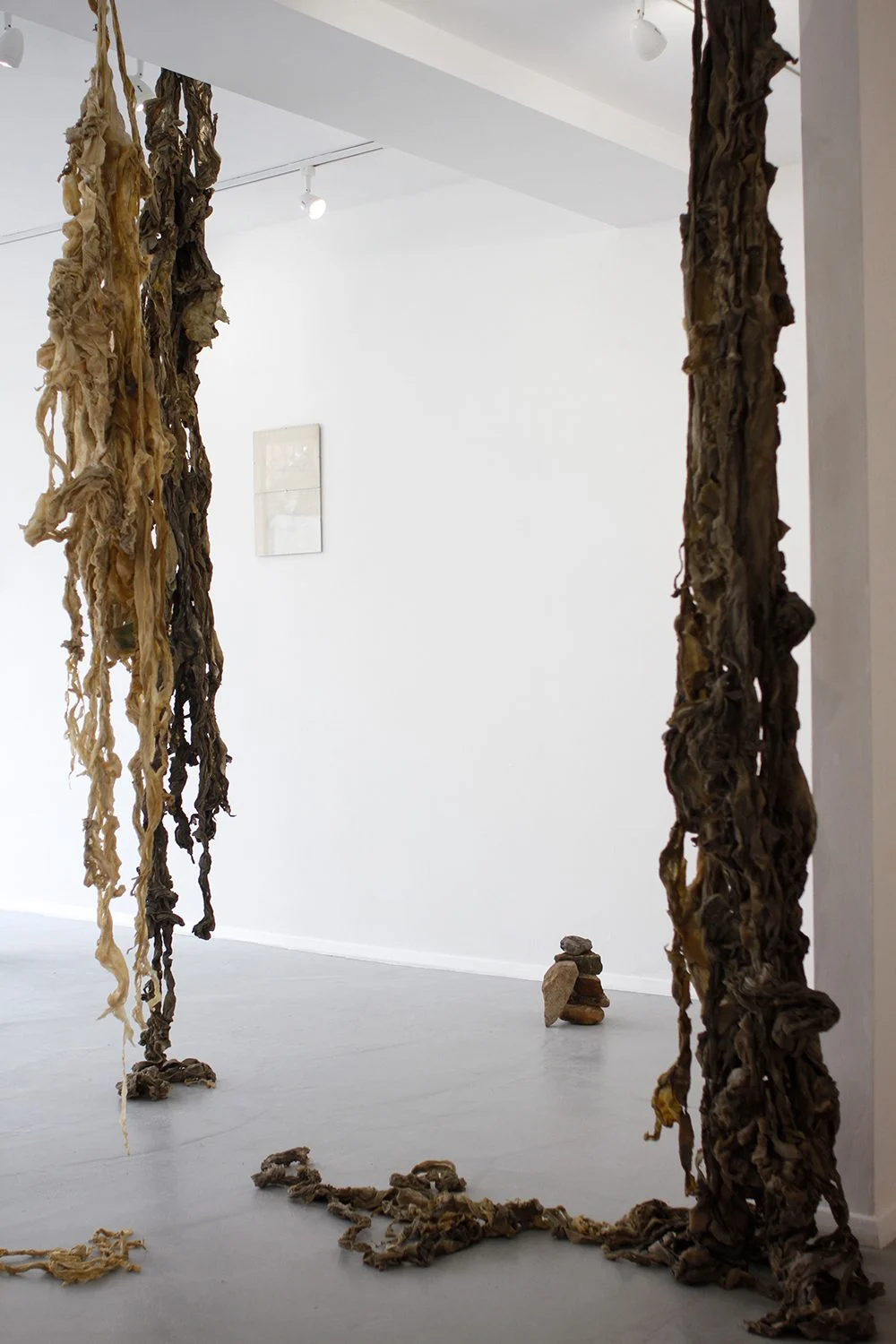
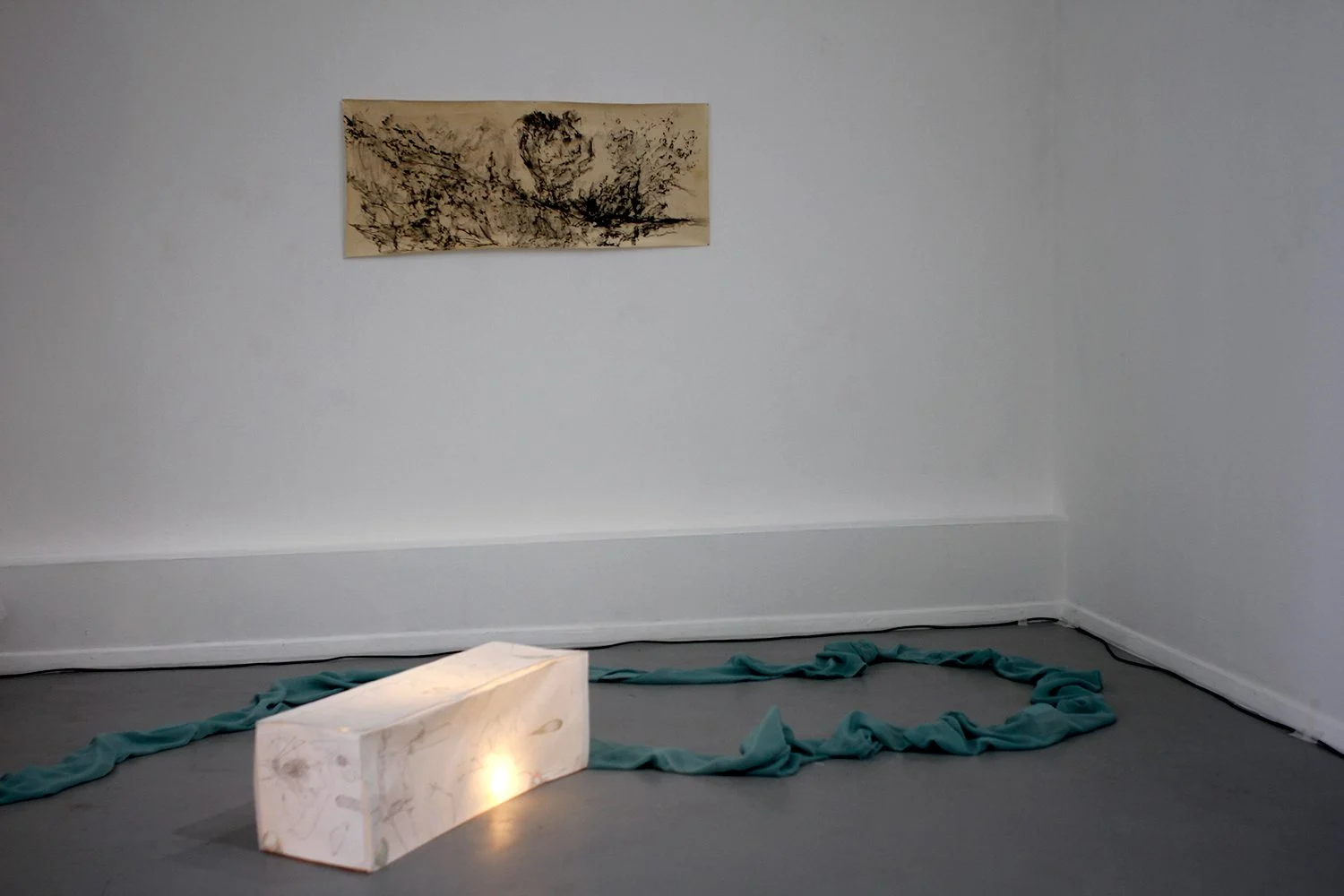
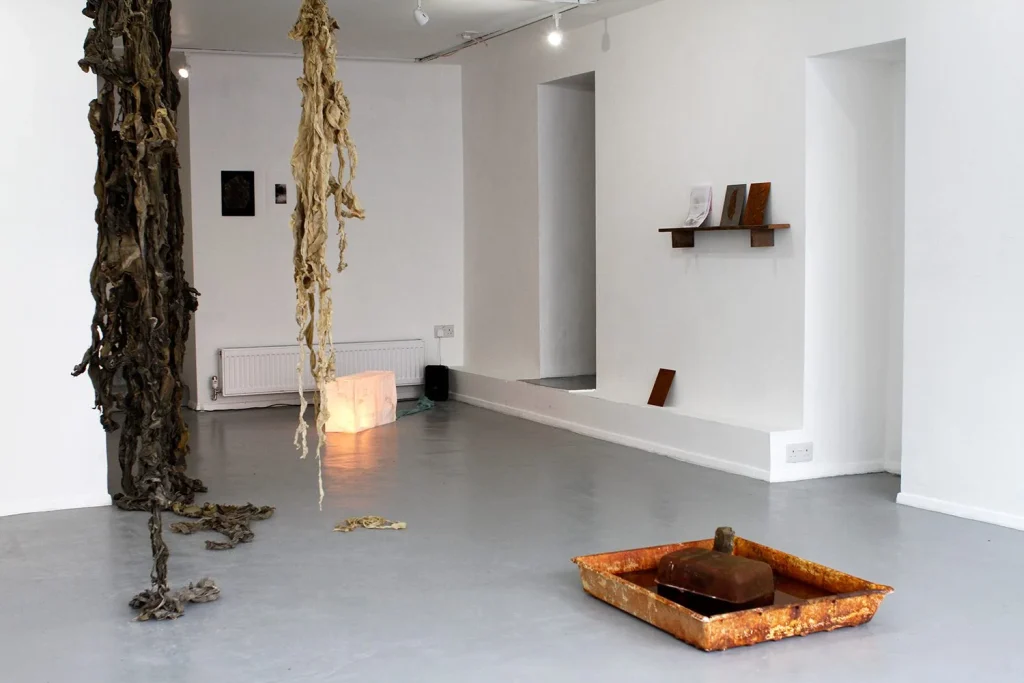
‘If it is a human thing to do to put something you want, because its useful, edible or beautiful, into a bag, or a basket, or a bit of rolled bark of leaf, or a net woven of your own hair, and then take it home with you, home being another, larger kind of pouch or bag, a container for people, and then later on you take it out and eat it or share it or store it up for a winter in a solider container or put it in the medicine bundle or the shrine of the museum, the holy place, the area that contains what is sacred, and then next day you probably do much the same again – if to do that is human, if that’s what it takes, then I am a human being after all. Fully, freely, gladly, for the first time. ‘ Ursula K. Le Guin, The Carrier Bag Theory of Fiction
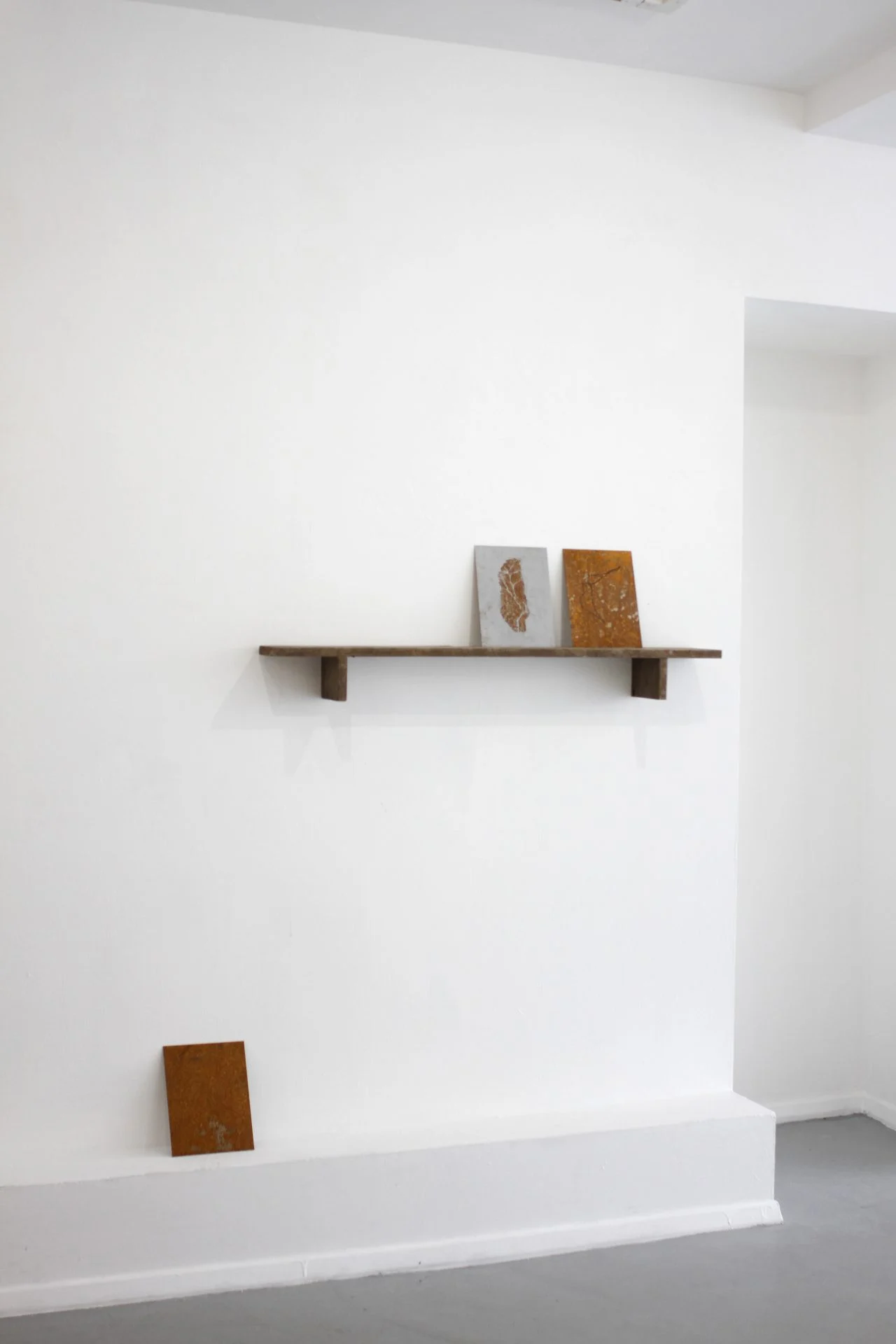
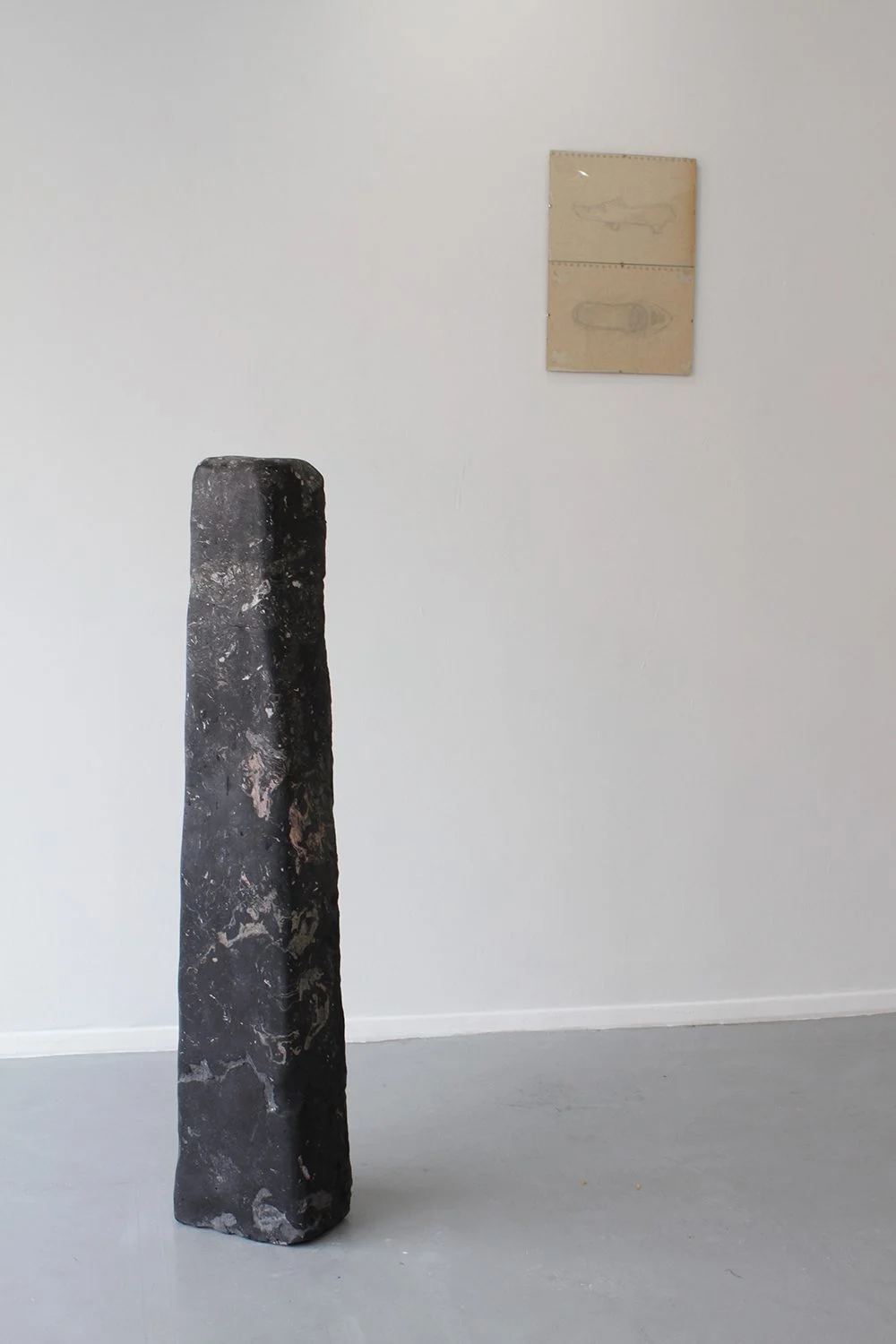
‘For once I found myself not delving into the history of a place, but into the materiality, which allowed the history to evolve. Into the rock. Into the water. And into the vestiges of rusted iron dotted throughout the landscape. I wander along tracks in the hills that emerged to serve the past. My own presence emerges from the land as a result, dragging metal behind me as I go. Metal clashing with rock in the valley once again. The old metal has been deliberately forgotten deep in the earth to be hidden. But I see rusty coloured water seeping from the stone to form a puddle, betraying its presence.’ Cliff Andrade
‘Ursula K Le Guin’s text is a challenge to the hero story – of knowing, extracting, representing, resolving, controlling – and the encouragement to think differently – to accumulate, relate, coexist, care, continue. And we did. We are human beings after all..’ Helen Acklam